A Century on the Plate: Jamaican Food Centennial Highlights
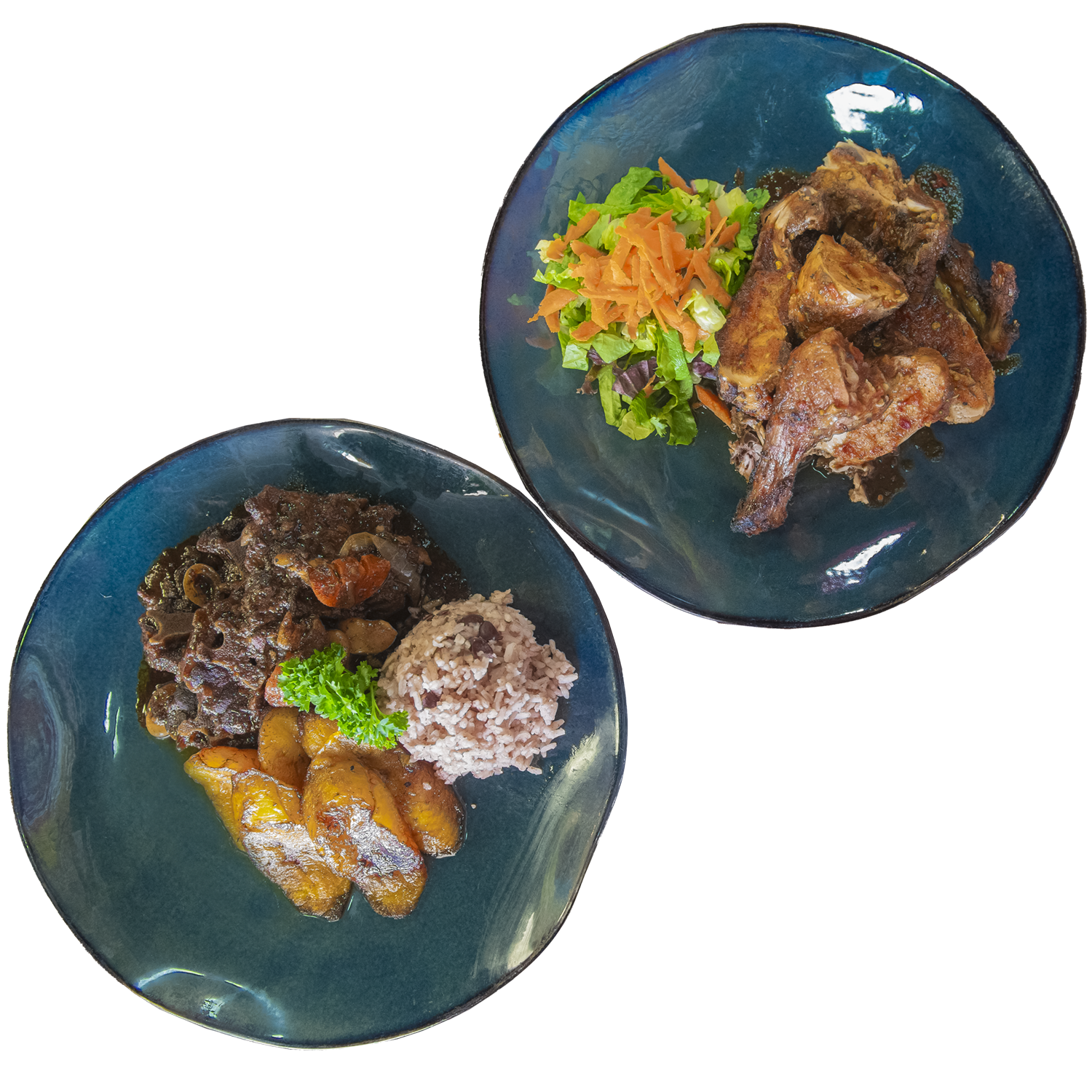
A hundred years is a long time in any kitchen. In Jamaica, it is long enough for hard times to become signature dishes, for imported ingredients to settle in like family, and for recipes once dismissed as humble to take their place in hotels, cookbooks, and tasting menus. Looking at Jamaican food across the past century is not simply an exercise in nostalgia. It is a way to understand labor, migration, class, land use, faith, trade, and survival through the most immediate evidence a culture leaves behind, the food people cook when they need comfort, the food they sell when they need income, and the food they serve when they want to be remembered.
The phrase jamaican food centennial suggests a neat anniversary, but food history rarely moves in clean lines. Tastes change unevenly. Rural parishes hold on to one way of cooking while Kingston races ahead with another. Families adapt not because they want to preserve history, but because the breadfruit tree is fruiting, the goat is ready, the market price of imported flour has gone up, or the church sister down the road knows how to make a proper rundown and has promised to teach the younger women after service. Over the last hundred years, Jamaican food has managed to be both deeply rooted and unusually mobile. That tension is what makes it so rich.
What a century of Jamaican food really captures
If you were to set one table for every decade from the 1920s to the present, you would not get ten completely different cuisines. You would see continuities, often stubborn ones. Saltfish would still be there. Ground provisions would still matter. Scotch bonnet would still shape the heat profile, though with different levels of aggression depending on the cook. Coconut milk would keep showing up in soups, rice dishes, and sauces. The larger story is not that old food vanished. It is that Jamaican cooks kept folding new pressures and pleasures into a durable culinary framework.
That framework came from many sources. Indigenous knowledge of cassava and local plants sat alongside African cooking methods, British colonial habits, Spanish traces, Indian curries, Chinese shop culture, and Middle Eastern trading networks. Jamaica has never eaten from a single ancestry. It has always eaten from contact, conflict, and improvisation. Over the last century, those influences became more visible rather than less. What changed was access. Refrigeration broadened possibilities. Roads and trucking altered distribution. Tourism reshaped what counted as “national food.” Migration carried recipes abroad and then brought them back again, slightly transformed.
In practical terms, that meant the average Jamaican plate held both memory and adjustment. A pot of rice and peas still depended on coconut milk, thyme, scallion, and allspice, but canned goods and jamaican food centennial imported rice changed frequency and scale. A Sunday dinner still announced care and status, but pressure cookers shortened timelines. Festival and bammy remained recognizably themselves, but the settings in which they were eaten shifted from beachside stalls and home yards to restaurants and diaspora food courts.
The early decades, thrift, skill, and a fierce respect for ingredients
The Jamaican kitchens of roughly a century ago were shaped by scarcity as much as flavor. That is not romantic language, just fact. For many working people, especially in rural communities and among urban laboring classes, cooking had to stretch what was available. That pressure sharpened technique. Good cooks learned to coax body out of soups with pumpkin, cho cho, yam, yellow yam, coco, and dumplings. They learned how to salt, soak, stew, pickle, dry, and season. Waste was a luxury few could afford.
The genius of much Jamaican cooking lies in this economy. Mannish water, cow foot soup, red peas soup, and pepper pot are not accidental classics. They are the result of cooks understanding that bones, feet, tough cuts, and leafy ingredients can become grand if handled properly. Texture mattered just as much as taste. A dish needed weight, something satisfying enough to carry a worker through the day. That is one reason starchy accompaniments stayed central. Food had to fill the body, not merely please the palate.
In those decades, regional variation was stronger than outsiders often realize. St. Elizabeth cooks did not always season or balance a dish in quite the same way as cooks from Portland or St. Mary. Coastline and inland life produced different emphases. Fishing villages naturally developed a more intimate relationship with escovitch, fried fish, and seafood soups. Hill communities leaned harder on root crops, bush teas, and what could be raised close to home. Even now, older Jamaicans can often identify someone’s food upbringing by the texture of their dumplings, the darkness of their stew gravy, or how sweet they like their fried plantain.
Saltfish, ackee, and the making of a national symbol
No discussion of Jamaican food over the last century can avoid ackee and saltfish. The dish has become so representative that it can flatten the complexity of the cuisine, yet its own story captures much of what defines Jamaica. Saltfish arrived through colonial trade. Ackee came from West Africa and naturalized so thoroughly that many people assume it has always belonged to the island. Together, they produce a breakfast that feels inevitable, even though it is the product of movement and adaptation.
What makes the dish endure is balance. The saltfish brings savor and structure. The ackee, when properly cooked, contributes a soft, almost buttery richness. Onion, tomato, scallion, thyme, black pepper, and Scotch bonnet create aroma and heat without overwhelming the delicacy of the fruit. Breadfruit, boiled green banana, fried dumpling, or roasted yam on the side turns it into a meal with real staying power.
Over the century, ackee and saltfish also changed social meaning. It moved from everyday practicality into the national spotlight. It became restaurant fare, hotel breakfast, and tourist shorthand. That visibility helped preserve it, but it also introduced distortion. Too many polished versions lose the rough, home-kitchen judgment that makes the dish sing. The best cooks know that the saltfish should still have some character, the vegetables should not be cooked into submission, and the ackee must be handled gently or it breaks down into mush. This is the sort of detail that separates a symbolic dish from a living one.
Jerk, from necessity to global language
If one Jamaican technique has traveled furthest in the last hundred years, it is jerk. Its roots run deep, associated with maroon communities, preservation methods, and the use of pimento wood, smoke, spice, and time. Yet jerk’s twentieth-century and early twenty-first-century rise is a story of commercialization as much as heritage. Once largely tied to particular places and cooking traditions, jerk became a portable culinary language. Roadside jerk pans, urban jerk centers, exported sauces, fast-casual chains, and diaspora grills all helped turn it into one of Jamaica’s best-known contributions to global food culture.
That popularity comes with compromises. Proper jerk is not simply chicken covered in spicy sauce. The process matters. The seasoning blend needs depth from allspice, thyme, scallion, garlic, ginger, Scotch bonnet, and often a sweet note to round out the fire. The smoke matters. The slow cooking matters. The texture matters. Good jerk has char, but not bitterness. It has heat, but also fragrance. It tastes of wood and spice and rendered fat meeting each other in the air before they meet the tongue.
Over the century, pork and chicken became the dominant jerk meats in public imagination, though fish and even tofu now appear in modern kitchens. This broadening makes sense commercially, yet traditionalists are right to push back when the method gets reduced to a generic spicy glaze. The lesson of jerk’s centennial journey is plain: a dish can achieve global fame and still be misunderstood by the people who consume it most casually.
Curry goat, rice and peas, and the Sunday table
If jerk captures Jamaica on the move, curry goat captures Jamaica at ease with itself. This is food that asks for patience and rewards confidence. The curry influence in Jamaica came through Indian indentured laborers and the wider movement of spice traditions across the colonial world. Jamaican cooks took that inheritance and made it unmistakably local. The curry is often bolder, more peppery, and more entwined with scallion, thyme, allspice, and Scotch bonnet than many South Asian versions. Potatoes, where used, absorb sauce in a distinctly Caribbean way.
Sunday dinner remains one of the best windows into how Jamaican food developed across the last century. The specific menu changes house to house, but the structure is recognizable. There is usually one dish that announces abundance, perhaps curry goat, brown stew chicken, roast beef in some homes, or fried fish in others. Rice and peas often claim the center. Salad offers freshness and contrast. Plantain, steamed vegetables, or macaroni and cheese may round out the table, especially in more contemporary family menus.
This meal did cultural work. It taught timing, status, and generosity. It showed children what “proper food” looked like. It was where many cooks earned or lost their reputation. A watery gravy, undercooked rice, or tough meat might be forgiven on a weekday. Not on Sunday. Over the last hundred years, as work patterns changed and urban life became more compressed, the Sunday table remained one of the strongest anchors of Jamaican food identity.
Street food, patties, and the speed of modern life
Not every centennial highlight belongs to the slow simmer. One of the clearest shifts in Jamaican food over the past century has been the rise of quick, portable, urban eating. The patty is central here. Though its lineage connects to British pastries and Indian spice traditions, the Jamaican patty became its own thing, flaky, golden, vividly seasoned, and efficient. Beef remains the benchmark, but chicken, vegetable, soy, and seafood fillings have expanded the form.
The patty matters because it sits at the intersection of class, labor, and taste. It is affordable, widely available, and satisfying enough to stand in for a meal. Students eat it between classes. Office workers grab it on the way to meetings. Travelers remember it from airports and roadside stops. Paired with coco bread, it moves from snack to institution. Over decades, the patty also became one of the easiest foods for the diaspora to reproduce and scale, which helped establish Jamaican food in cities far from the island.
Street vending more broadly has been one of the quiet engines of Jamaican culinary continuity. Roasted corn, jelly coconut, soup on a corner, bag juice, peanut drops, bulla, fried fish, and festival all keep the food culture grounded in everyday exchange rather than elite presentation. These are not side notes. They are the places where recipes stay honest because customers know exactly how a thing should taste and will say so without hesitation.
Tourism changed the plate, but not always for the better
Any serious look at a hundred years of Jamaican food must account for tourism. From the mid-twentieth century onward, hotels and resort dining began to shape which dishes were promoted as nationally representative. Some outcomes were beneficial. Visitors created demand for local specialties. Restaurants had reason to document recipes, refine service, and take pride in ingredients once dismissed as rustic. Dishes such as jerk chicken, escovitch fish, curried seafood, and rum cake reached wider audiences.
Still, tourism has often favored simplification. Menus tend to repeat a narrow set of recognizable items. Heat levels are dialed down. Complex dishes that require time, local knowledge, or an acquired palate may be sidelined. Ital cooking, for example, is often presented as a wellness trend rather than a serious culinary philosophy shaped by Rastafarian values, discipline, and creativity. Run down can be reduced to “fish in coconut sauce,” which is accurate but far from complete. Pepper shrimp gets copied without understanding the precise salty, fiery punch that makes the best versions unforgettable.
There is also the matter of ingredient pressure. When hospitality markets privilege exportable seafood or premium cuts, local consumers can find beloved foods priced further out of reach. This is not unique to Jamaica, but it is especially visible on islands where tourism and local life share the same supply chains. The upside is that a growing number of Jamaican chefs have learned to navigate this tension with intelligence. They use restaurant platforms to elevate cassava, breadfruit, callaloo, cho cho, goat, and local fish without sanding off the food’s identity.
The Rastafarian influence and the seriousness of ital
No centennial account would be complete without acknowledging the impact of Rastafarian foodways. Ital cooking is too often discussed in shorthand, as if it were merely vegan or vegetarian Caribbean cuisine. In practice, it is both broader and more exacting. It reflects spiritual commitments, a respect for natural food, and often a skepticism toward heavy processing, excessive salt, and artificial additives. Not every Rastafarian eats the same way, and ital itself has flexible interpretations, but its influence on Jamaican eating habits has been substantial.
Over the past century, ital helped preserve and dignify a deep knowledge of vegetables, legumes, herbs, coconut preparations, and one-pot cooking. It widened appreciation for callaloo, pumpkin, peas, okra, root vegetables, and plant-based stews at moments when aspirational eating could tilt heavily toward imported or heavily processed foods. Long before “plant-forward” became fashionable in upscale dining, ital cooks were producing deeply flavorful meals with no need for fashionable language or expensive ingredients.
The best ital food is not austere. It can be lush, aromatic, and profoundly satisfying. A carefully cooked ital stew with coconut milk, butter beans, carrots, cho cho, thyme, Scotch bonnet, and a touch of fresh ginger has body and grace. So does a plate of steamed callaloo with roasted breadfruit and avocado. These dishes deserve to be seen not as alternatives to “regular” Jamaican food, but as part of its core intelligence.
Migration, memory, and the Jamaican table abroad
Few cuisines of the Caribbean have traveled with as much clarity as Jamaican food. Over the last hundred years, migration to the United Kingdom, Canada, and the United States carried recipes, ingredients, and habits into new climates and new economies. The diaspora did more than preserve food. It changed it, often in practical ways. Cold weather altered appetites. Ingredient substitutions became necessary. Certain cuts of meat were easier to source, while fresh ackee might not be available. Frozen and canned goods stepped in. Green seasoning could be batch-made for busy workweeks. Family gatherings took on extra importance because they became the place where dispersed identities were reheated and served.
This diaspora loop also fed Jamaica itself. Return visits, remittances, imported kitchen tools, and cross-border business all shaped what people cooked on the island. You can taste this in small details, the growing place of pasta bakes on some family tables, the popularity of certain bakery styles, or the expansion of fusion menus that combine Jamaican seasoning with global formats. Not all of these changes are profound, but taken together they show that Jamaican food has never stood still.
One of the most moving features of diaspora cooking is how exact memory can be about small things. People may disagree on politics, parish rivalries, and the proper amount of pepper, yet become suddenly united in pursuit of a specific texture of gungo peas soup or the correct crust on a hard dough bread. Food becomes an archive when written history feels too abstract.
Centennial highlights worth noticing now
Across the last hundred years, several patterns stand out as especially important within any serious discussion of jamaican food centennial history.
First, Jamaican food kept its backbone even as ingredients and contexts changed. Ground provisions, coconut, pepper, thyme, scallion, allspice, and slow-cooked gravies remained central markers of identity.
Second, dishes born from thrift gained prestige without losing their emotional force. Soups, stews, and street foods still carry the island’s deepest culinary literacy.
Third, migration expanded the cuisine rather than diluting it. Some recipes shifted, but the larger food culture became more visible and resilient.
Fourth, tourism amplified Jamaican dishes globally, though often by compressing a broad cuisine into a few marketable icons.
Fifth, contemporary chefs and home cooks are now revisiting traditional ingredients with more confidence, which may prove one of the most significant developments of the current era.
Where the next chapter is being written
The future of Jamaican food will likely depend less on novelty than on stewardship. Climate pressure is real. Fishing stocks, drought cycles, storm damage, and the economics of farming all affect what can stay on the table. Imported food remains attractive for price and convenience, yet many cooks understand that overreliance on imports weakens culinary independence. Breadfruit revival projects, renewed interest in cassava, stronger appreciation for local yam varieties, and more thoughtful restaurant sourcing all point in a promising direction.
There is also a growing seriousness among younger Jamaican chefs, food writers, and culinary entrepreneurs. Many are less interested in merely “elevating” local dishes for outside approval and more reggaepotjamaicangrill.com jamaican food centennial interested in documenting technique, preserving regional knowledge, and cooking with historical accuracy where it matters. That is a healthy shift. The food does not need reinvention to earn respect. It needs careful handling, good ingredients, and enough confidence to resist flattening.
A century on the plate reveals a cuisine that has survived pressure without becoming rigid. Jamaican food remains one of the clearest examples of how a people can absorb the world and still sound like themselves. You hear that voice in the crackle of escovitch fish, the smoke of jerk on pimento wood, the comfort of soup on a rainy afternoon, the richness of ackee at breakfast, and the stubborn authority of a Sunday pot that no shortcut can improve. That is what the centennial perspective finally offers, not just a timeline of dishes, but a record of judgment, adaptation, and taste passed hand to hand over a hundred remarkable years.
Reggae Pot Jamaican Grill
Address: 7562 S University Blvd C, Centennial, CO 80122
Phone number: +13039975623
FAQ About Jamaican Food Centennial
What is typical Jamaican food?
Typical Jamaican food features bold, vibrant flavors created by blending African, Taino, European, and Asian influences.
What is a famous Jamaican dish?
The most famous Jamaican dish is Ackee and Saltfish, which is the national dish of Jamaica.
What are the top 10 foods to eat in Jamaica?
AI Overview The top 10 traditional foods to eat in Jamaica are bold, flavorful dishes that mix local ingredients with global influences.