How Communities Can Celebrate the Jamaican Food Centennial
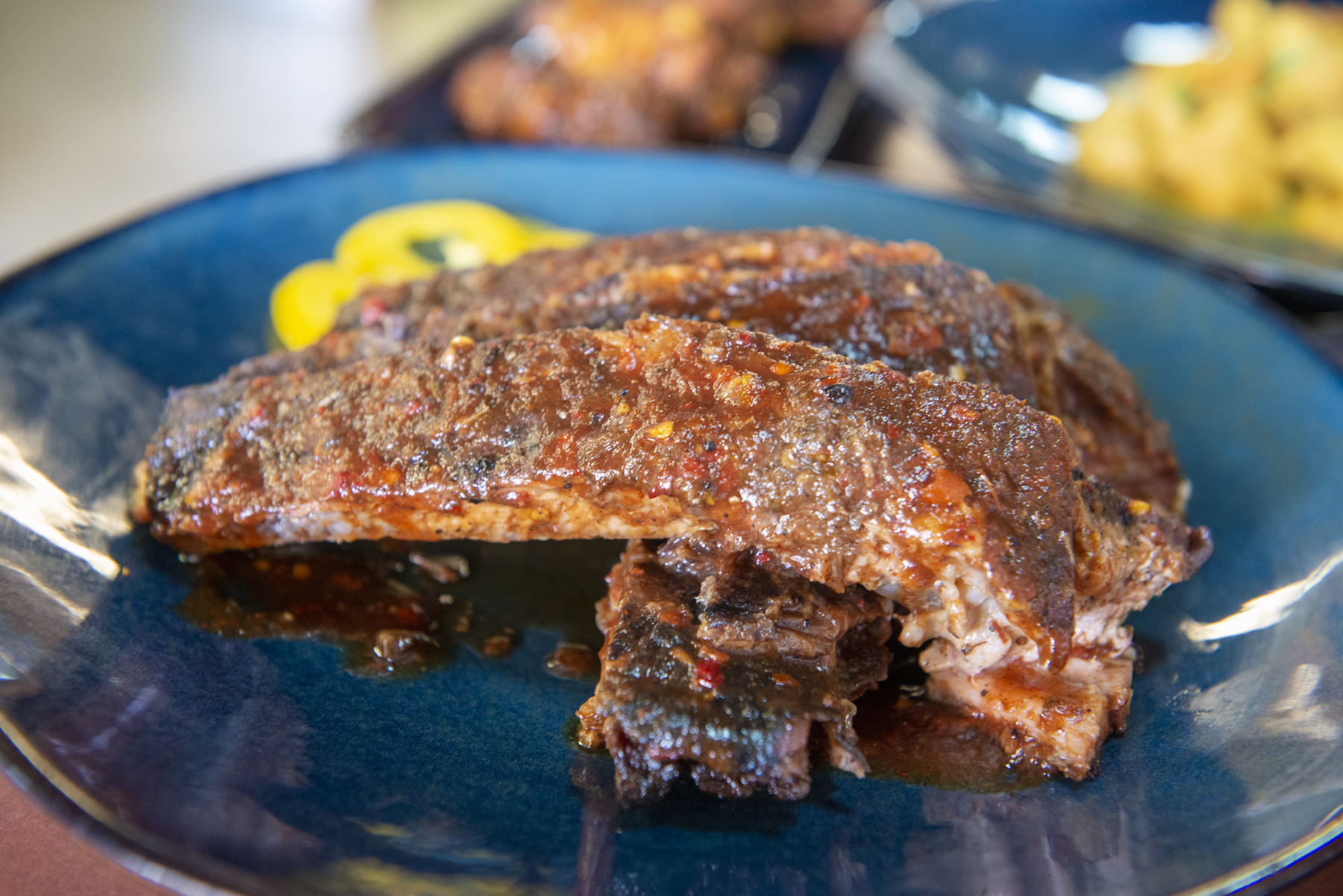
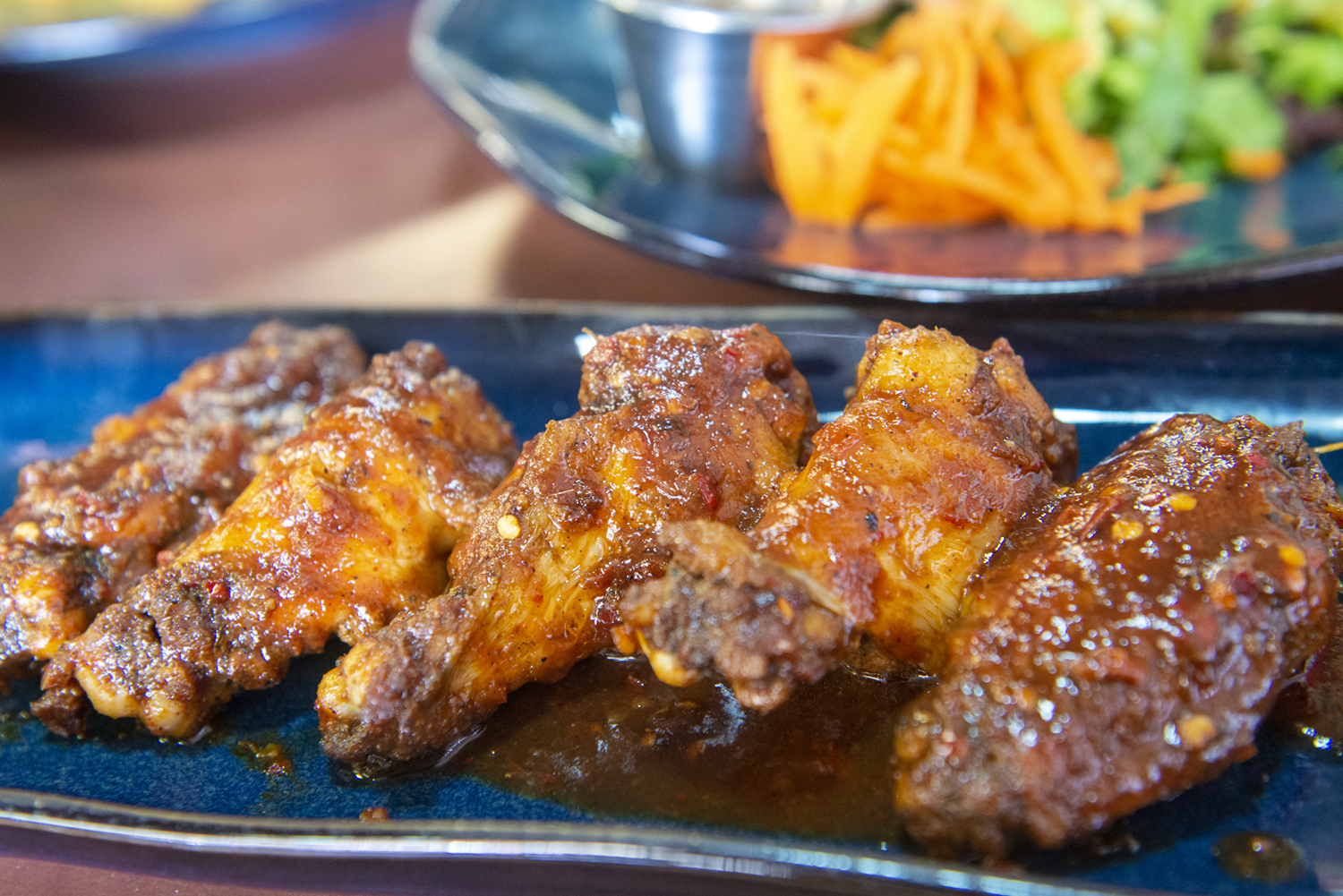
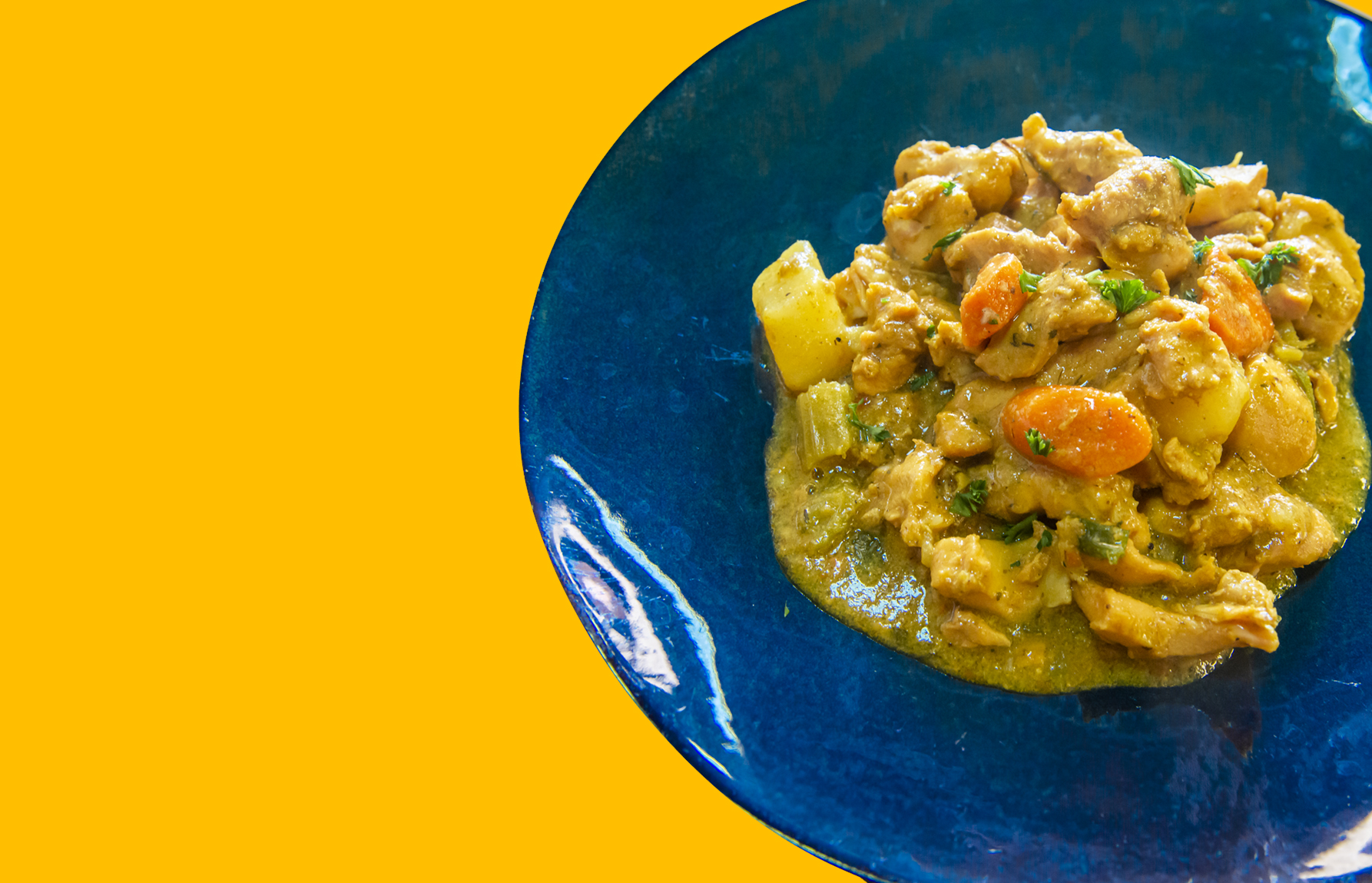
A food centennial is more than an anniversary. It is a chance to ask what a cuisine has carried, who preserved it, how it changed under pressure, and what deserves protection for the next hundred years. When communities plan around the Jamaican food centennial, the strongest events are rarely the biggest or the most expensive. The memorable ones feel rooted. They smell like pimento smoke before noon, they sound like elders correcting the way a dish should be seasoned, and they leave younger cooks with practical knowledge they can actually use.
Jamaican food does not sit still. It is shaped by African memory, Indigenous ingredients, colonial history, migration, trade, scarcity, celebration, faith, and improvisation. That complexity matters when people start planning centennial programming. If a community reduces Jamaican food to a few crowd-pleasers, it misses the point. Jerk chicken may draw a line around the block, and patties may satisfy sponsors who want something recognizable, but a meaningful observance should also make room for ital traditions, ground provisions, fish cookery, soups, festive breads, market culture, and the kitchen habits that tie families together.
The best community celebrations tend to treat food as both archive and living practice. That changes the planning from a simple festival model into something richer. Instead of asking only, “What should we serve?” organizers start asking, “Whose story should be heard, what skill should be passed on, and what local relationships can this strengthen?”
Start with the people who hold the flavor memory
Any honest celebration of the Jamaican food centennial should begin with the people who have been cooking, selling, farming, preserving, and teaching for years, often without formal recognition. In many communities, that means aunties who still bake hard dough bread by feel, market vendors who know exactly when callaloo is sweetest, caterers who can estimate spice and yield for 300 guests without writing anything down, and fishermen or butchers who understand cuts and freshness in ways a printed menu never captures.
Too many cultural food events make the mistake of placing these people at the edge of the program, if they are invited at all. A chef demonstration with bright lighting and corporate logos may look polished, but a centennial celebration gains depth when the public can also hear a home cook explain why one family swears by thyme early in the pot while another adds it later. These small distinctions are where culture actually lives.
One of the most effective formats is a recorded conversation in front of an audience, followed by tasting. A community center, church hall, school auditorium, or public library can host this without much technical complexity. Invite two or three cooks from different generations and backgrounds, perhaps one from rural Jamaica, one who migrated decades ago, and one younger entrepreneur building a food business now. Ask them about what changed when ingredients became harder to find, what dishes showed up only at Christmas or Easter, how they adapted recipes after moving abroad, and what they worry is being lost.
That kind of dialogue does two jobs at once. It honors lived expertise, and it creates a record. If the budget allows, film it. If the budget does not, even a good phone recording with clear audio can become part of a local archive. A centennial should leave something behind besides flyers and receipts.
Build the event around regional and everyday foods, not only the famous dishes
Jamaican cuisine is often flattened in public imagination. This happens in cities with large Caribbean populations and in places where Jamaican food is less familiar. The result is a narrow menu that can be tasty, but incomplete. Communities celebrating the Jamaican food centennial should push past the shorthand.
A stronger approach is to think in layers. There are the iconic dishes people expect, yes, but there are also the foods of ordinary mornings, market days, school lunch breaks, family gatherings, fasting periods, and hard times. There are dishes tied to a specific parish or to a local ingredient in season. There are preparations people ate because they loved them and preparations people ate because they had little choice. Both belong in the story.
A thoughtful event might feature jerk alongside escovitch fish, mannish water, rundown, steamed cabbage, roast yam, festival, bammy, pepper pot soup, gungo peas and rice, and slices of bun with cheese if the calendar fits the season. It might also explain what shifts when these foods are made outside Jamaica, where breadfruit is imported, sorrel appears only at certain times, and Scotch bonnet peppers vary in heat and availability.
That balance matters because centennial celebrations often attract mixed audiences. Some attendees will be Jamaican or part of the diaspora and will notice immediately when a program is superficial. Others may be meeting the cuisine for the first time. Both groups deserve more than a stereotype.
Make schools part of the celebration
If a community wants the Jamaican food centennial to have real afterlife, schools should be involved. That does not mean reducing the cuisine to a one-day cafeteria special and calling it education. It means treating food as a gateway into history, geography, agriculture, migration, language, and entrepreneurship.
A strong school partnership can look surprisingly simple. Teachers might coordinate a week where students study staple crops such as yam, cassava, banana, and coconut, then connect those ingredients to family recipes and trade routes. Older students might interview relatives or local restaurant owners about food memories. Culinary students can stage a tasting event where they learn not only recipes but also yield planning, sourcing, sanitation, and respectful cultural framing.
I have seen student events work well when they include both skill and context. For example, a class preparing patties can also examine why portability matters in working communities, how pastry changes with available fat and flour, and why fillings vary from one kitchen to another. That kind of framing moves the discussion away from novelty and toward understanding.
There is also a practical benefit. Youth involvement keeps events from feeling nostalgic in the narrow sense. A centennial should absolutely honor elders, but it should also ask what younger people are excited to carry forward. Some may be interested in traditional methods. Others may be drawn to vegan interpretations, pop-up catering, bottled sauces, or content creation around Jamaican cooking. A community celebration is stronger when it makes room for all of those pathways.
Use food markets and street vending culture as inspiration
Jamaican food is not only a matter of recipes. It is also about how food moves through public life, who sells it, and where people gather to eat. Markets, roadside stands, cookshops, school gates, and late-night food spots all shape culinary memory. Communities can reflect that energy without trying to imitate it in a theatrical way.
One effective model is a vendor village curated with intention. Instead of accepting any business with a grill, organizers can set criteria that favor authenticity, quality, and variety. Ask vendors what they will serve, how they source ingredients, and whether they can talk to attendees about preparation methods. Include packaged goods like spice blends, jams, pepper sauces, cassava products, or baked items, not just hot meals. That creates a fuller picture of the food economy.
The layout matters too. If every booth sells the same three dishes, the event feels monotonous by the second hour. If one stall offers soups, another focuses on breakfast staples, another on baked goods, another on seafood, and another on contemporary interpretations grounded in tradition, people learn as they eat. They also stay longer, which helps vendors and sponsors alike.
This is one place where restraint helps. Organizers sometimes overcrowd food festivals with unrelated entertainment until the cuisine becomes background noise. Music, dance, and performance can absolutely belong in a Jamaican food centennial, but they should support the culinary focus rather than compete with it.
Teach through tasting, not just through signage
Information boards have their place. A short panel about jerk cooking, the role of pimento wood, or the history of ackee can give attendees useful context. Still, most people learn food through their jamaican food centennial mouths and through conversation. The most successful community celebrations make tasting a form of education.
Small comparative tastings work especially well. A group can sample two versions of a dish and discuss the difference between home-style and restaurant-style preparation, or between a traditional version and one adapted to ingredients common in diaspora communities. If the event includes a chef or knowledgeable host, even a ten-minute guided tasting can sharpen public attention.
The key is not to over-script it. People do not need a lecture over every plate. They need just enough framing to notice what they might otherwise miss, the bitterness that makes ackee richer when salted fish is done properly, the sweetness that rounds off heat in a pepper sauce, the earthy depth of yam against a sharper pickle, the role of texture in a proper festival.
A centennial event should trust the intelligence of its guests. Give them language, give them examples, then let them respond. Food memory often surfaces fastest once people start eating.
Honor the labor behind the dishes
Celebration can easily slip into performance. That is a risk whenever cultural food becomes event programming. One way to avoid that is to foreground labor. Jamaican cooking, particularly in its traditional forms, is often physically demanding and time-intensive. Cleaning fish, grating coconut, soaking peas, tending a fire, chopping seasoning, peeling provisions, baking in volume, or managing a stall from dawn are all forms of labor that deserve to be visible.
A demonstration built around process can be more meaningful than one built around glamour. Watching someone dress a fish correctly or explain how to build flavor in a one-pot dish teaches respect. So does hearing what it costs, in time and money, to produce food at scale for a church fundraiser or a family event.
This perspective also opens useful conversations about pricing. Community audiences sometimes balk at paying fair prices for handmade cultural foods while accepting high prices elsewhere without question. A Jamaican food centennial can help correct that imbalance by making labor legible. If an event includes vendor talks or printed notes about preparation time and ingredient costs, people better understand the value in front of them.
Design for elders, children, and first-time visitors
The strongest food celebrations feel welcoming to people with different levels of familiarity. That sounds obvious, but many events fail at it. They either cater so heavily to insiders that newcomers feel lost, or they simplify so much that community members feel patronized.
Accessibility starts with physical design. Seating matters more than planners think, especially if elders are central to the day. Shade matters. Clear signage matters. If there will be music, make sure there are quieter spaces where conversation and oral history can still happen. If children attend, give them an active role rather than leaving them to drift between booths.
A simple intergenerational cooking station can do a lot of work. Children might help shape dough, grate gently jamaican food centennial under supervision, smell whole spices, or identify produce from a display. Older attendees often respond warmly when they are asked to explain a kitchen tool or a preparation habit. These interactions are not filler. They are often the moments people remember a year later.
For first-time visitors, context should be available without becoming intrusive. A short printed guide can help with pronunciation, ingredient names, and common dishes. It should be written plainly, with confidence and respect. Nobody needs a tourist brochure tone at a community celebration.
Think seasonally and locally, especially in diaspora settings
One of the hardest planning issues in any food heritage event is ingredient reality. If the celebration takes place outside Jamaica, some produce may be expensive, inconsistent, or unavailable in quantity. Organizers need judgment here. Authenticity is not served by pretending supply challenges do not exist. It is also not served by giving up too quickly and replacing everything with generic substitutes.
The better approach is transparency and intelligent adaptation. If breadfruit is available only frozen, say so. If sorrel is seasonal, build programming around when it can be found in good condition. If callaloo must be approximated with a related leafy green in a school setting, explain the difference rather than hiding it. Diaspora cooking has always involved adjustment. That is part of the story, not a flaw in it.
Seasonality can also sharpen the event. A spring observance might lean into bun and cheese, fresh herbs, and lighter fare. A winter event can embrace soup, hot drinks, and preserved flavors. A summer festival may be ideal for grilling, cold beverages, and produce-heavy dishes. The calendar should shape the menu, not just logistics.
Create a program that leaves a legacy
A centennial should not feel like a one-day burn of volunteer energy followed by silence. Communities gain the most when the celebration creates something durable. That does not require a major institution. It requires intention.
Here are five legacy projects that often work well:
- Record oral histories from cooks, vendors, and elders, then deposit them with a local library, school, or historical society.
- Produce a community recipe booklet that includes notes on technique, ingredient substitutions, and family context.
- Launch a youth apprenticeship series pairing experienced cooks with students or young entrepreneurs.
- Build a small seed, herb, or kitchen garden project tied to Jamaican ingredients that grow locally.
- Create an annual food scholarship or micro-grant for a community member pursuing culinary training or food business development.
What matters is not scale but usefulness. A modest booklet that people actually cook from is more valuable than a glossy publication that sits unopened. A short oral history archive with clear labeling can outlast a much bigger event if people can access it later. The Jamaican food centennial should be a hinge between memory and continuity.
Partner carefully with restaurants, sponsors, and media
Community food events live or die by partnerships, and not every partnership improves the work. Restaurants can bring talent, labor, and reach. Sponsors can help with equipment, permits, and publicity. Media can broaden attendance. Yet each relationship carries trade-offs.
Restaurants sometimes dominate a program in ways that push out home cooks and smaller vendors. Sponsors may want branding that overwhelms the cultural purpose. Media coverage can flatten nuance into a few predictable talking points. None of this means communities should avoid partnerships. It means they should negotiate them.
A good rule is to define the cultural priorities before inviting commercial participation. Decide what stories must be told, what people must be included, and what educational value should remain visible. Then choose partners who can strengthen that framework rather than replacing it with something easier to market.
This is especially important with cuisine that already carries strong public imagery. The Jamaican food centennial deserves to be more than a backdrop for generic “island vibes” promotion. Communities should be willing to say no to partnerships that cheapen the meaning of the event, even when money is tight.
Budget for the invisible necessities
Many well-meant food celebrations struggle because organizers budget for the obvious items and ignore the mundane ones that determine whether guests and vendors have a good day. Food-safe holding equipment, handwashing stations, waste removal, backup fuel, weather cover, electrical access, refrigeration, water supply, permits, and insurance are not exciting, but they are non-negotiable.
The same is true for compensation. If a centennial is built on the knowledge of elders, cooks, speakers, and demonstrators, the budget should reflect that. Too often communities spend freely on staging and promotion while expecting cultural knowledge bearers to volunteer their labor. Sometimes people will choose to donate their time, especially for a cause they care about, but that should be their decision, not the default expectation.
A practical planning sequence helps keep priorities straight:
- Secure the site, permits, and food safety requirements first.
- Confirm key cultural participants and fair compensation next.
- Build the food program around realistic sourcing and kitchen capacity.
- Add music, decor, and promotional extras only after the core experience is funded.
- Keep a contingency reserve for weather, equipment failure, or ingredient substitutions.
That order may sound unromantic, but it is what keeps a culturally rich event from turning chaotic at noon. Good operations are not separate from hospitality. They are part of it.
Let storytelling shape the meal
One of the most effective ways to celebrate the Jamaican food centennial is through curated meals where each course or station carries a story. This can happen at a fundraising dinner, a church social, a museum event, or a neighborhood block gathering. The format does not need to be formal. What matters is that the food is not detached from its meaning.
A dinner might move from soup to fish to provisions to dessert, with short spoken notes connecting dishes to migration, religious observance, market availability, or family ritual. A daytime event might arrange stations by theme rather than by vendor type, one for fire and smoke, one for sea and river, one for ground provisions, one for breads and sweets. These structures help guests understand the cuisine as a system rather than a collection of isolated favorites.
Storytelling also gives communities room to address difficult history without turning the event somber. Jamaican food carries the marks of enslavement, plantation economies, poverty, and resilience. It also carries joy, invention, generosity, and pride. A centennial should hold both. Food is often where hard history becomes discussable because it is tangible. People can taste adaptation. They can recognize thrift transformed into pleasure.
Keep the spirit generous, but the standards high
There is a temptation at community heritage events to excuse weak execution in the name of goodwill. People are volunteering, budgets are constrained, and everyone wants the atmosphere to feel warm. All of that is real. Still, warmth and standards are not opposites. If anything, careful standards show respect.
Serve food at proper temperatures. Label allergens and ingredients clearly. Keep lines moving. Moderate portions so more people can taste widely. Avoid overcrowding menus with dishes the kitchen cannot execute well. If a dish is central to the event, make sure the person preparing it actually knows it deeply. One beautifully made pot of soup will do more for the reputation of the day than four rushed trays of mediocrity.
This is where experience matters. Seasoned organizers know that fewer, stronger offerings often create the best response. Guests feel the confidence immediately. Vendors are less strained, volunteers can explain what they are serving, and the atmosphere becomes calmer. That matters for a centennial, because the day should feel like stewardship, not scramble.
What communities are really celebrating
At its heart, the Jamaican food centennial is not only about dishes, though the dishes matter enormously. It is about inheritance. It is about how communities remember through seasoning, through planting, through selling, through feeding mourners and wedding guests and children after school. It is about what survives a move across oceans, what changes in a new climate, and what remains unmistakably itself.
A successful celebration leaves people full, certainly, but it should also leave them better informed and more connected. An elder should feel heard. A young cook should feel challenged and encouraged. A local vendor should meet new customers who understand the craft behind the plate. A child should go home remembering the smell of ginger, scallion, and thyme on someone’s hands.
If communities approach the Jamaican food centennial with that level of care, the anniversary becomes more than a date on a poster. It becomes a public act of cultural confidence. And that, more than spectacle, is what makes a food celebration worth repeating.
Reggae Pot Jamaican Grill
Address: 7562 S University Blvd C, Centennial, CO 80122
Phone number: +13039975623
FAQ About Jamaican Food Centennial
What is typical Jamaican food?
Typical Jamaican food features bold, vibrant flavors created by blending African, Taino, European, and Asian influences.
What is a famous Jamaican dish?
The most famous Jamaican dish is Ackee and Saltfish, which is the national dish of Jamaica.
What are the top 10 foods to eat in Jamaica?
AI Overview The top 10 traditional foods to eat in Jamaica are bold, flavorful dishes that mix local ingredients with global influences.