How to Celebrate the Jamaican Food Centennial at Home
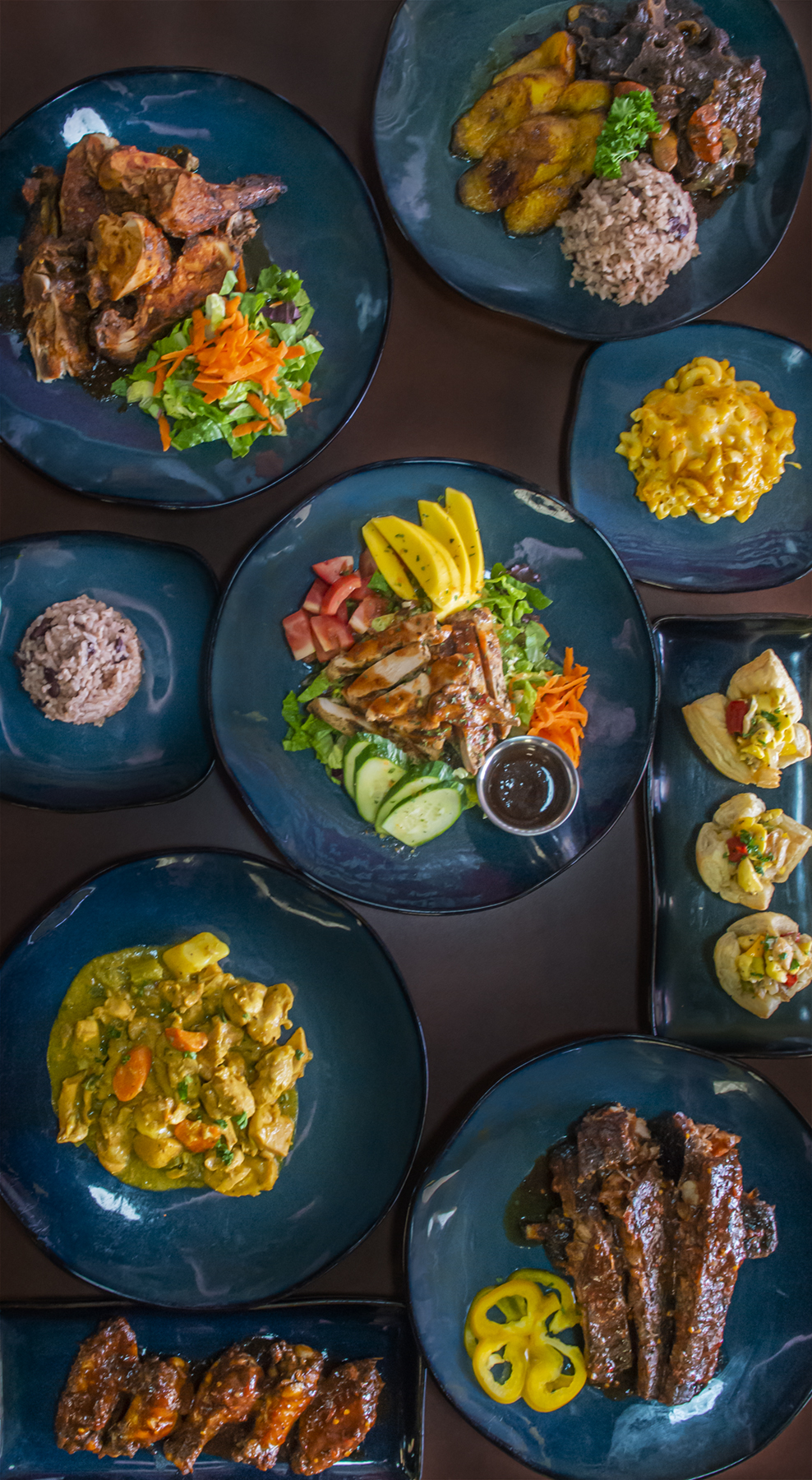
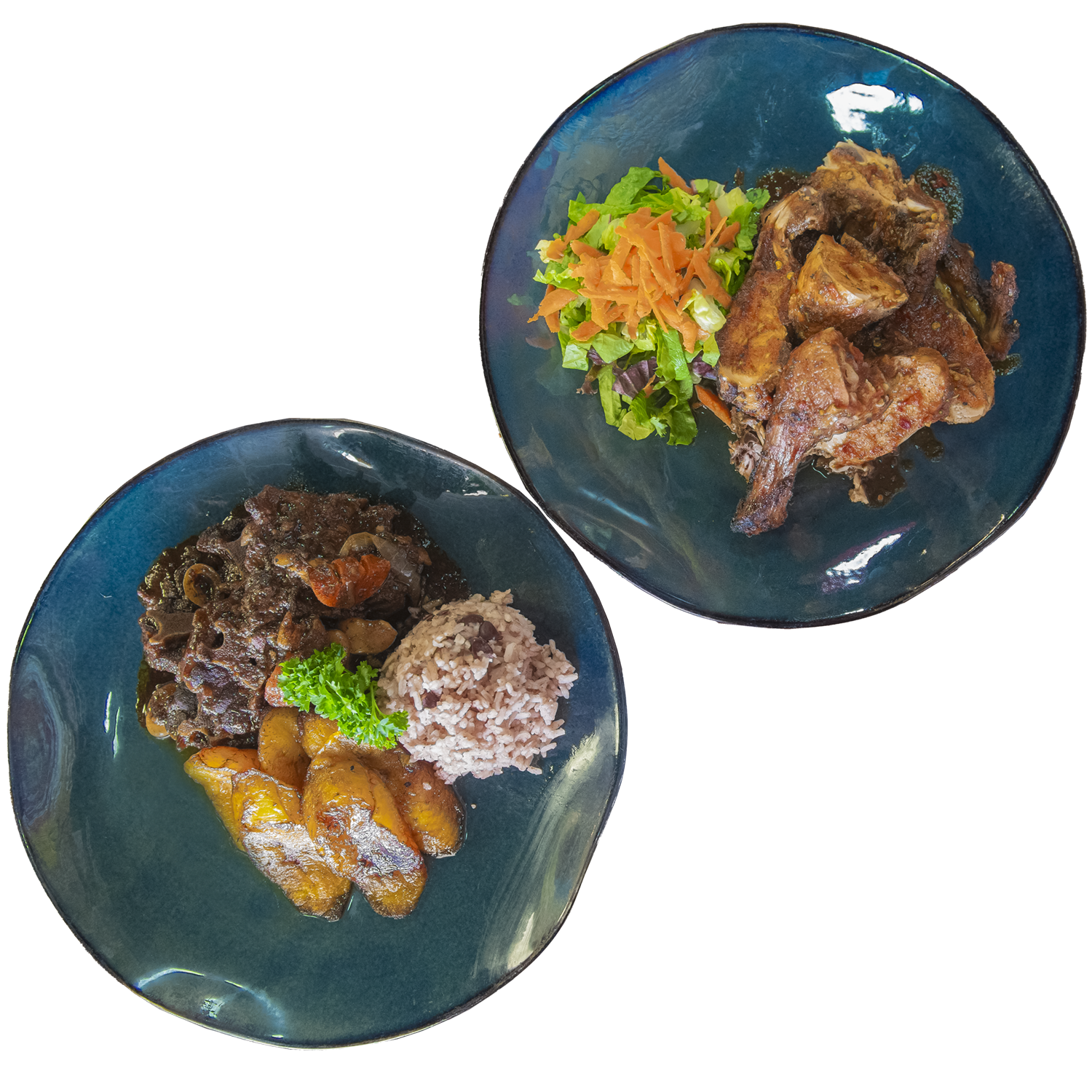
A good food celebration does more than fill the table. It tells a story, marks a moment, and gives people a way to participate with all their senses. If you are planning to honor a Jamaican food centennial at home, the goal is not to stage a museum piece. It is to create a living, generous experience that respects Jamaican culinary traditions while fitting your kitchen, your budget, and the people you are feeding.
That balance matters. Jamaican food carries memory in a very direct way. A pot of rice and peas, a tray of jerk chicken, or a warm slice of rum cake can say more about migration, family, local ingredients, and celebration than a speech ever could. At the same time, home cooks often feel pressure to make everything perfectly authentic, perfectly traditional, or perfectly elaborate. In practice, the best home celebration is thoughtful rather than theatrical. It should feel rooted, not forced.
If you are using the phrase jamaican food centennial for a family event, cultural gathering, school program, church function, or neighborhood dinner, the smartest approach is to build the occasion around a few dishes done properly, a clear sense of atmosphere, and an understanding of what each element contributes. Jamaican food is vivid and expressive, but it is also practical. Many of the most beloved dishes were shaped by thrift, adaptation, and skillful seasoning rather than luxury. That reality gives home cooks a lot of freedom.
Start with the spirit of the occasion
Before you shop, decide what kind of celebration you want to host. A centennial theme can push people toward excess, but abundance does not have to mean twelve main dishes and a dessert buffet. It can mean a table that feels complete. In my experience, guests remember a coherent meal far more clearly than a sprawling one.
A Jamaican food celebration at home tends to work best when it has a center of gravity. That might be a Sunday-style family lunch, a backyard jerk night, a tea-and-patties afternoon, or a more formal dinner with plated courses. Once you know that, the menu choices become easier. If children are attending, you may want more familiar sides and milder heat. If older relatives are the focus, you may want dishes with deep nostalgic value, such as escovitch fish, festival, callaloo, or mannish water if that is part of your family’s cooking tradition.
This is also the point to think about scale. Feeding six people is a different exercise from feeding twenty. Jamaican cooking can be wonderfully forgiving in larger pots, but some foods suffer if made too far in advance. Fried plantains, for example, are far better cooked close to serving time. A curried goat, by contrast, often improves overnight.
Build a menu that feels Jamaican, not overcrowded
When people try to celebrate a cuisine at home, they often overrepresent it. They add every famous dish they have ever heard of, and the meal loses shape. Jamaican food is especially vulnerable to that because it is rich in iconic items. Jerk, patties, ackee and saltfish, coco bread, curry goat, oxtail, sorrel, bun and cheese, gizzada, and pepper shrimp all have a claim on attention.
The better method is to choose a few anchors and let them breathe on the table. A strong home menu usually includes a main dish, a starch, a vegetable or legume element, one fresh or pickled contrast, and a drink or dessert that carries the meal into celebration.
Here is a practical way to think about the menu:
- Choose one headline dish, such as jerk chicken, curry goat, brown stew fish, or oxtail.
- Add one reliable starch, often rice and peas, fried dumplings, hard dough bread, or festival.
- Include one counterpoint, such as callaloo, cabbage, or a sharp pickle.
- Decide whether the event needs a signature drink, such as sorrel or ginger beer.
- Finish with a dessert or sweet bite, not a whole second meal.
That structure keeps the table balanced. It also helps with labor. Many cooks underestimate how much effort a celebration meal requires in the final hour. If your main dish needs active attention, your sides should be more forgiving. If you are serving jerk from the grill, for instance, pair it with rice and peas that can rest, a cabbage slaw that improves as it sits, and fried ripe plantains cooked in the last ten minutes.
The dishes that make sense for most home cooks
A centennial celebration should feel meaningful, but it does not need to test every skill you have. Choose food you can execute cleanly. There is no prize for attempting a half dozen labor-intensive specialties if none arrives hot or properly seasoned.
Jerk chicken is often the strongest choice for a home event because it is recognizable, festive, and adaptable. Purists will point out, correctly, that traditional jerk gets its character from pimento wood, smoke, and technique that are hard to reproduce indoors. Still, a careful home version can be excellent. The key is restraint with sweetness, enough allspice and thyme, a clear scallion note, and real heat from Scotch bonnet or a close substitute. A common mistake is making the marinade taste like barbecue sauce. Jerk should be aromatic, savory, and fiery, with char and smoke playing a supporting role.
Curry goat is another strong option, particularly for a dinner that leans communal and leisurely. It holds beautifully, and guests tend to appreciate it as something special. The main consideration is sourcing. In some areas, good goat can be difficult to find, and lamb is sometimes used as a stand-in. That substitution changes the dish, usually making it richer and less distinctive, but it can still produce a satisfying meal if handled honestly.
Ackee and saltfish deserves mention because it is one of Jamaica’s defining dishes, but it is not always the easiest candidate for a broad home celebration. Ackee can be expensive or hard to source outside areas with Caribbean groceries, and canned ackee, while useful, needs gentle handling. For a brunch or lunch gathering, though, it can be superb with fried dumplings, boiled green bananas, and sautéed callaloo.
If you want a fish-centered menu, escovitch is ideal for flavor and spectacle. Properly made, it offers crisp fish under a bright tangle of vinegar-sharp vegetables and Scotch bonnet. The challenge is timing. Fish loses quality quickly once held, and frying for a crowd can turn the host into a short-order cook. This dish makes more sense for smaller gatherings unless you have help.
For sides, rice and peas is nearly non-negotiable if you want the table to feel complete. It is not an afterthought. The coconut milk, thyme, scallion, and Scotch bonnet perfume the entire meal. The rice also steadies richer meats and spicy sauces. The other side dish worth prioritizing is some form of vegetable, often steamed cabbage, callaloo, or roasted breadfruit if you can get it. These elements stop the meal from feeling heavy and make the menu look more like a real Jamaican spread and less like a pile of meat.
Do not neglect the pantry details
Most home celebrations succeed or fail before the stove is even turned on. Jamaican cooking relies on a pattern of flavor that is easy to miss if you only focus on named dishes. Thyme, scallion, garlic, ginger, onion, allspice, Scotch bonnet, black pepper, and sometimes pimento seeds form part of the aromatic backbone. Coconut milk, browning, vinegar, and quality curry powder can also matter, depending on the dish.
One useful habit is to source from a Caribbean market if you can. The difference is not always dramatic, but sometimes it is. Scotch bonnets from a general supermarket may be underpowered. Hard dough bread from a Jamaican bakery will likely beat a homemade substitute if bread is not your specialty. Frozen callaloo can be entirely acceptable when fresh is unavailable. Grace or Walkerswood pantry items can save time without compromising the spirit of the meal.
This is also where judgment matters. If your guests are unfamiliar with Jamaican food, heat management becomes important. Scotch bonnet brings fruitiness as well as fire, so simply omitting it can flatten a dish. A better compromise is to use the pepper whole in a pot, then remove it, or serve pepper sauce on the side. People who want that extra edge can add it themselves.
Make the room feel celebratory without turning it into a theme party
Food carries most of the cultural weight, but atmosphere still matters. The strongest home gatherings usually avoid costumes, clichés, and generic “island” décor. Jamaica has a rich visual identity, but reducing that to a few flag-colored napkins and a fake palm centerpiece can make the evening feel shallow.
Think instead in terms of warmth, hospitality, and rhythm. A well-set table, serving pieces that keep food hot, and a music playlist with range will do more than novelty decorations. Ska, rocksteady, reggae, dancehall, and mento each create a different energy, so choose what fits your guests and time of day. A daytime brunch might feel right with lighter classics in the background. An evening cookout can tolerate deeper bass and more volume.
Lighting matters more than people think. Soft, warm light helps spicy food and bright sauces look inviting. If you are serving buffet style, label dishes discreetly, especially where heat or allergens are involved. Many guests appreciate a small note explaining whether a dish contains shellfish, pork, or strong pepper. That is not fussy, it is considerate.
If the gathering marks an actual family or community milestone tied to a jamaican food centennial, a few framed photographs, recipe cards from elders, or a brief toast can add gravity without interrupting the flow. Food-centered events should let people eat while the story unfolds, not make them sit through a lecture while dishes go cold.
Pace the cooking like a professional host
The most polished hosts are rarely the ones cooking the fanciest food. They are the ones who understand sequence. A home celebration becomes stressful when too many components demand the same final window of attention.
Use the day before strategically. Curries, braises, cakes, relishes, and drinks are ideal candidates for advance prep. Sorrel, for example, often benefits from steeping. Rum cake is better after resting. Even jerk marinade does more work if given a full night on the chicken. On the event day, your active tasks should be limited to reheating, grilling or frying one headline item, tossing a fresh component, and serving.
A timeline helps, but it should be realistic. Leave room for delays, especially if you are using unfamiliar ingredients. Plantains ripen on their own schedule, frozen goat may take longer to thaw than expected, and rice can behave differently depending on the coconut milk you use. Professional kitchens build buffers because buffers prevent panic. Home kitchens need the same discipline.
One small trick I have learned from Caribbean cooks who entertain often is to separate “ceremonial” food from “support” food in your mind. Ceremonial food is what people notice first, the jerk, the fish, the curry. Support food is what keeps the meal running smoothly, the rice, the slaw, the drinks, the bread. If the support food is ready and ample, the event feels generous even if the ceremonial food comes out in waves.
Drinks carry more of the celebration than people expect
A Jamaican meal without a thoughtful drink can feel unfinished. Sorrel is the classic festive choice and for good reason. It offers tartness, spice, color, and a sense of occasion. Made with hibiscus, ginger, cloves, cinnamon, and often sweetened generously, it stands up to rich foods and looks striking on the table. Some households include rum, others do not. Either way, serve it properly chilled.
Ginger beer is another excellent option, especially if you want something with bite that is not too heavy. Its heat plays well with savory dishes, and it appeals to guests who may not want alcohol. If your menu leans brunch, a fresh fruit punch or a strong homemade lemonade sharpened jamaican food centennial with ginger can work well too.
Pay attention to sweetness. Many celebration drinks are nostalgic and intentionally sweet, but modern palates vary. I usually suggest making drinks slightly less sweet than you think necessary, then offering syrup or sugar nearby. Guests can adjust, but you cannot pull sugar back out once it is in.
Dessert should finish the story, not compete with it
After a full Jamaican meal, dessert works best when it feels familiar and decisive rather than excessive. Black cake, often made with dried fruit soaked in wine or rum, is the obvious centennial-worthy showpiece. It has gravitas. A good one carries spice, bitterness, sweetness, and depth, and a thin slice is enough.
Rum cake is more approachable for mixed crowds because it tends to be lighter. Sweet potato pudding is another smart choice if you want something traditional and comforting. Done well, it has a dense, almost custard-like center with warm spice and coconut notes. Gizzada, grater cake, or drops can also be very effective if your event is more casual and you want guests to nibble rather than sit for a plated dessert.
If you are already serving a rich main course like oxtail with rice and peas, avoid following it with three heavy sweets. One good dessert is stronger than a dessert table assembled out of anxiety.
If you cannot find every ingredient, honor the method
Ingredient access varies widely. Some readers can walk into a Caribbean grocery and buy fresh thyme, Scotch bonnet, callaloo, breadfruit, and hard dough bread in one trip. Others have to improvise. There is no shame in that. What matters is knowing where substitution preserves character and where it distorts the dish.
Allspice is not optional in jerk. Dried thyme usually works if fresh is unavailable. Habanero can step in for Scotch bonnet in terms of heat, though the flavor differs. Kale or spinach can replace callaloo in a pinch, but you should season with intention because the texture and minerality are different. Long-grain rice can be used for rice and peas if that is what you have, though many cooks prefer other varieties depending on family habit and regional influence.
The honest way to handle substitutions is not to pretend they are invisible. If you made a breadfruit-inspired roast with another starchy vegetable, say so. If you used lamb because goat was unavailable, own the choice. Guests respond well to clarity, and careful adaptation is far better than sloppy imitation.
A short hosting plan that actually works
For most households, a centennial celebration is easiest when you divide the work across two days and keep service relaxed.
- The day before, season meats, bake dessert, prepare sorrel, and chop vegetables.
- The morning of, cook rice and peas, braise or reheat the main pot dish, and set the table.
- In the final hour, grill or fry only the items that need last-minute attention.
- Serve buffet style unless the gathering is very small.
- Keep hot sauce and extra gravy on the side so guests can tailor their plates.
That simple plan prevents the common hosting mistake of trying to produce restaurant timing from a domestic kitchen. It also leaves you free to talk to people, which is part of the celebration.
Let the meal reflect real Jamaican hospitality
The deepest thing you can do when marking a jamaican food centennial at home is to make people feel cared for. In Jamaican cooking, hospitality often shows up in practical ways. There is enough food. The seasoning is deliberate. The children are fed before they become restless. The person who does not eat pork still has a full plate. The elder who likes more gravy gets it without having to ask twice.
Those details matter more than perfection. I have eaten beautifully seasoned curry from a chipped bowl in a crowded kitchen that felt more festive than meals served on rented china. I have also seen hosts spend a fortune on decorative extras while serving dry chicken and under-salted rice. Guests may compliment the décor, but they remember the food and the welcome.
A home celebration has its own authority. You are not recreating a hotel buffet in Montego Bay or a restaurant in Kingston. You are creating a table where history, flavor, and generosity meet in the present tense. If the jerk has real jamaican food centennial character, the rice and peas are fragrant, the sorrel is cold, the music sits right in the room, and people go back for seconds, you have done the job well.
That is what makes a centennial worth marking. Not just the number, but the continuity. A dish cooked with care connects one generation to the next. A shared table turns memory into practice. And that, more than any decorative gesture, is how to celebrate Jamaican food at home with the seriousness and pleasure it deserves.
Reggae Pot Jamaican Grill
Address: 7562 S University Blvd C, Centennial, CO 80122
Phone number: +13039975623
FAQ About Jamaican Food Centennial
What is typical Jamaican food?
Typical Jamaican food features bold, vibrant flavors created by blending African, Taino, European, and Asian influences.
What is a famous Jamaican dish?
The most famous Jamaican dish is Ackee and Saltfish, which is the national dish of Jamaica.
What are the top 10 foods to eat in Jamaica?
AI Overview The top 10 traditional foods to eat in Jamaica are bold, flavorful dishes that mix local ingredients with global influences.