Jamaican Food Centennial: A Century of Food, Family, and Festivity
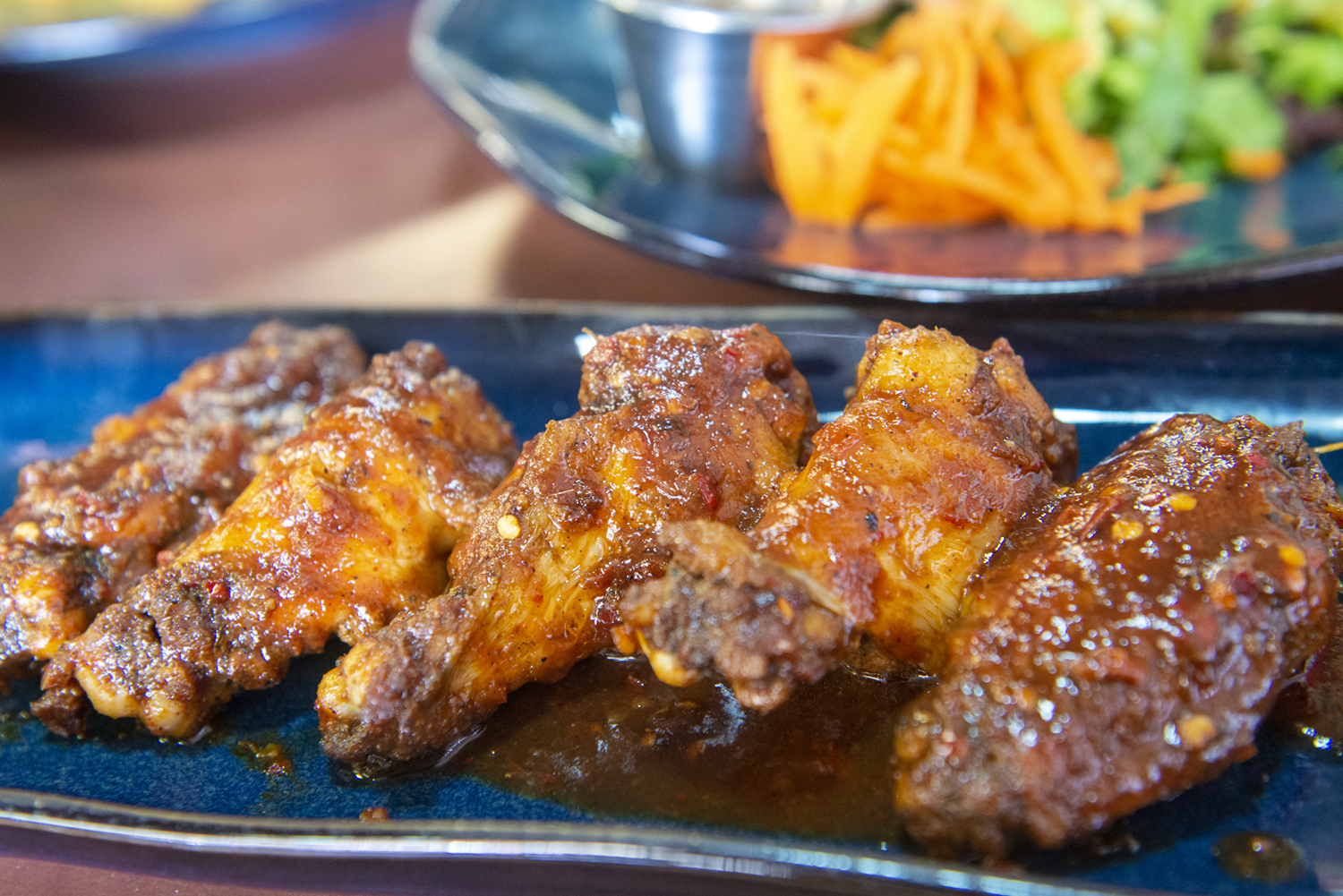
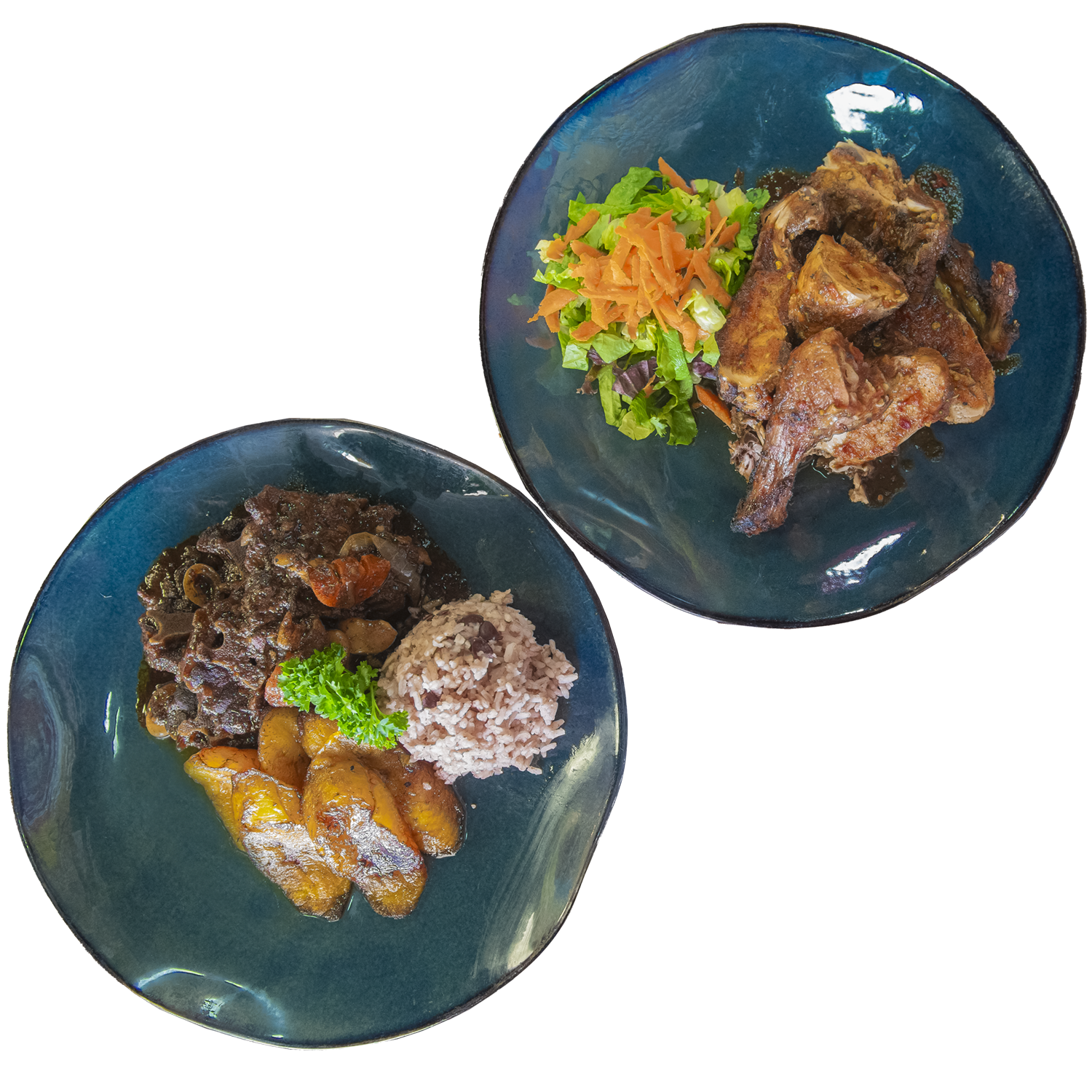
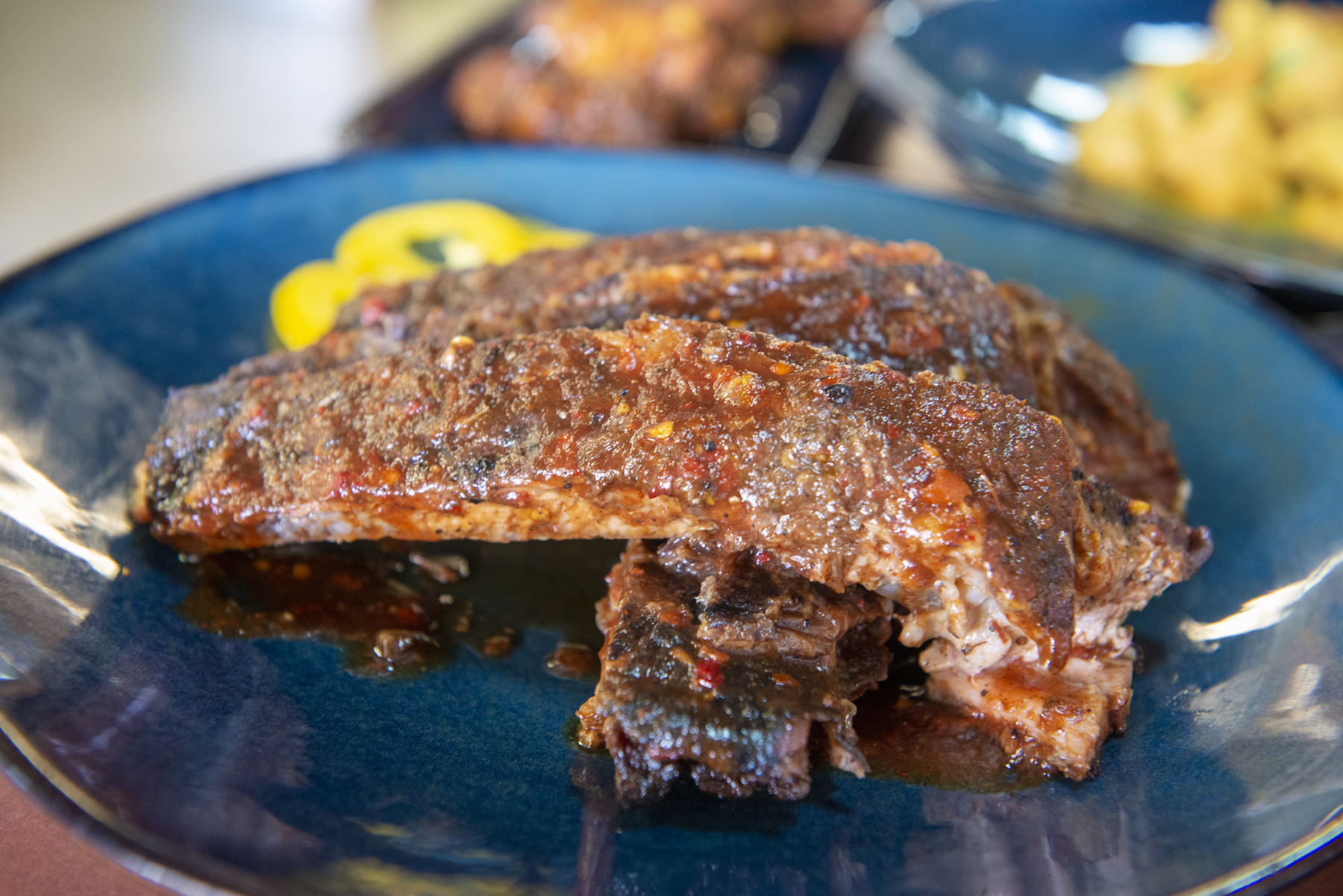
There are few cuisines that carry memory as vividly as Jamaican food. A pot of simmering oxtail can hold a grandmother’s discipline, a father’s weekend ritual, and a whole neighborhood’s appetite at once. The smell of pimento smoke from jerk chicken can summon a roadside cookshop, a holiday gathering, or a crowded pan on a London patio where somebody insists the Scotch bonnet must stay whole unless you know exactly what you are doing. Food in Jamaica has never been only about eating. It has always been about occasion, endurance, pleasure, improvisation, and pride.
A Jamaican food centennial is not simply a ceremonial marker for one hundred years of recipes. It is a chance to look at how a cuisine travels through time without losing its soul. Over the past century, Jamaican cooking has shifted with migration, tourism, agriculture, economics, changing tastes, and the practical demands of daily life. Yet the heart of it remains remarkably steady. The food still leans on bold seasoning, patient technique, resourcefulness, and a deep understanding of how to bring intensity without waste.
To understand a century of Jamaican food, you have to begin with the table at home, not the restaurant menu. The dishes that endure are not always the flashy ones. They are the meals built to feed many people well, stretch ingredients wisely, and make Sunday feel different from Tuesday.
What a hundred years of Jamaican cooking really represents
In professional kitchens, people often talk about tradition as if it were fixed. In real homes, tradition is much more alive than that. It bends. It adapts. It makes room. That is especially true in Jamaican cooking. A recipe written down in 1926 might not look identical in 2026, but the logic behind it often survives. The methods matter as much as the ingredients. Browning meat before braising, balancing heat with sweetness, seasoning in layers rather than all at once, using thyme, scallion, onion, garlic, ginger, allspice, and Scotch bonnet not as random flavorings but as a coherent system, these habits link generations.
Over the last hundred years, the Jamaican kitchen has absorbed many influences while retaining a clear identity. African foodways, Indigenous ingredients, European colonial legacies, Indian curries, Chinese techniques, and broader Caribbean exchanges all shaped the national palate. Ackee and saltfish became iconic, but so did curry goat, escovitch fish, mannish water, rice and peas, bammy, festivals, patties, and soups built from ground provisions. None of these dishes exists in isolation. They belong to a larger rhythm of market shopping, fishing, backyard fruit trees, church events, funerals, weddings, street vending, and holiday feasts.
That is why a Jamaican food centennial deserves more than nostalgia. It invites a serious look at what has lasted, what has changed, and what deserves protection.
The kitchen as archive
Some cuisines preserve themselves through formal institutions. Jamaican food often preserves itself through memory, repetition, and correction. A child watches a parent wash chicken with lime. An auntie says the pot needs more thyme before anyone else has even tasted it. Someone older insists the dumplings are too heavy, or the peas were not cooked long enough before the rice went in. This is not casual criticism. It is quality control built into family jamaican food centennial life.
Many of the best Jamaican cooks never measured much. They cooked by sight, touch, smell, and timing. That can frustrate younger cooks who want exact instructions, but it also reveals how deeply embodied the cuisine is. You know when a pot is right not only because of the recipe, but because of the sheen of the gravy, the scent lifting from the lid, the tenderness of the meat against the spoon, and the way the pepper has infused the dish without dominating it.
Across a century, this kind of transmission matters. It means the cuisine is not frozen in one era. It is tested and renewed each time somebody cooks for people whose standards are high and whose memories are longer than any cookbook’s.
The Sunday table, where food becomes ceremony
If there is one meal that captures the emotional force of Jamaican food over the last hundred years, it is Sunday dinner. In many households, Sunday has long been the day for the dishes that take time. Rice and peas, roast chicken, curried goat, stewed beef, fried plantain, tossed salad, macaroni and cheese in some families, perhaps a cold juice or a proper dessert if the budget and energy allow.
The point is not just abundance. It is attention. Weekday cooking is often efficient by necessity. Sunday cooking has room for patience. The rice is washed carefully. The coconut milk is rich enough to count. The meat is seasoned hours ahead, sometimes overnight. Music may be on. Visitors may drop by. Somebody tastes from the pot before permission is granted. A child is sent to the shop because there is never enough ginger beer, ice, or scallion.
Over time, Sunday dinner also became a marker of continuity for Jamaicans abroad. In New York, Toronto, Birmingham, Miami, and countless other cities, the Sunday meal did cultural work. It reminded families who they were. It taught children the flavors of home even if home was a place they knew mostly through stories, phone calls, and summer visits. This is one reason the Jamaican food centennial has global meaning. The cuisine has been sustained not only on the island, but in diaspora kitchens where ingredients were sometimes scarce and substitutions had to be made with judgment.
Signature dishes and the stories they carry
Ackee and saltfish is often treated as a symbol dish, and fairly so. Its importance goes beyond national branding. When prepared properly, it demonstrates several core principles of Jamaican cooking at once: restraint, balance, and technique. Ackee is delicate. Saltfish is assertive. The supporting ingredients, onion, tomato, scallion, Scotch bonnet, black pepper, thyme, must frame both without overwhelming either. Bad ackee and saltfish is easy to make. It becomes greasy, overcooked, or salty. Good ackee and saltfish feels effortless, but that lightness comes from judgment.
Jerk, by contrast, announces itself. It is fire, smoke, spice, and patience. Though it is now heavily commercialized and often flattened into a generic flavor label, true jerk remains rooted in method. The seasoning is important, but so is the cooking environment. Pimento wood contributes more than aroma. It shapes the character of the meat. Traditional jerk also depends on temperature control and time, allowing the outside to char and perfume while the interior stays moist. In professional terms, it is a master class in managing aggressive flavor without drying the protein.
Then there is curry goat, a dish that reveals Jamaica’s talent for adaptation. Curry powder came through Indian influence, but Jamaicans made it unmistakably their own. The curry is often “burnt” in oil at the beginning to wake up the spices, then the meat is cooked until richly tender. Potatoes may be added near the end, not as filler in the worst sense, but as a practical and flavorful way to absorb sauce and stretch the meal. At celebrations, curry goat often competes with everything else on the menu and still disappears first.
Even humble dishes deserve equal respect. Cornmeal porridge, red peas soup, fried dumpling, callaloo, rundown, steamed cabbage, and hard dough bread have nourished generations. They are not lesser because they are everyday foods. In many jamaican food centennial cuisines, the daily staples tell you more than the feast dishes do.
Scarcity shaped excellence
One of the most overlooked truths about Jamaican food is that some of its brilliance comes from making much out of little. Over the past century, economic hardship, uneven access to imported goods, hurricanes, inflation, and shifting agricultural patterns forced cooks to be highly adaptable. This was not romantic. It was necessary. But necessity often sharpens technique.
A strong Jamaican cook knows how to build flavor from bones, trimmings, saltfish, coconut, herbs, and starches. Soup is not an afterthought. It is an engineering feat. With pumpkin, yellow yam, cho cho, carrots, dumplings, split peas, or red peas, a cook can produce something filling, nutritious, and deeply satisfying from ingredients that are neither luxurious nor expensive. The same is true of stews, where time transforms tougher cuts into prized dishes.
That resourcefulness also explains why seasoning matters so much. When you cannot rely on expensive ingredients to do the work for you, you learn to use aromatics and timing with precision. Browning sauce, fresh thyme, crushed garlic, scallion, pimento, and pepper become tools of structure, not decoration.
A century of Jamaican cooking is, in part, a century of practical intelligence.
The role of celebration, from wedding tents to roadside pans
Food in Jamaica is central to public joy. At a dance, a funeral, a christening, or a street party, the menu carries social weight. People will remember what was served, whether it was hot, whether the curry was thin, whether the fish was fresh, whether the soup had enough body. Hospitality is measured through food, and not abstractly. If guests feel neglected at the table, they feel neglected altogether.
Large-scale Jamaican cooking has its own discipline. The cook handling a wedding pan of rice and peas or a community event’s jerk chicken must think differently from the person making dinner for six. Seasoning has to scale. Heat retention matters. Rice cannot be guessed at. Meat must rest enough to hold moisture. Soups need constant monitoring because starches thicken unpredictably over time. This is where experience separates confidence from performance. Many dishes that are manageable in a home kitchen become complex when cooked for fifty, one hundred, or several hundred people.
At the same time, festivity is where some of the cuisine’s most beloved textures and contrasts show up. Crisp fried fish with sharp escovitch vegetables. Soft festival beside spicy jerk. Dense, almost buttery rum cake after a savory spread. Sorrel at Christmas, steeped with ginger and spice, sweetened to the family’s preferred edge. The Jamaican table knows how to create excitement through contrast, and that is part of why it remains so memorable.
Migration changed the pantry, not the identity
When Jamaicans moved abroad in greater numbers throughout the twentieth century, the food moved too. Some ingredients traveled easily. Others did not. Green bananas, breadfruit, Scotch bonnet peppers, fresh thyme, yams, callaloo, and certain fish were not always accessible, especially decades ago. Cooks adapted with what they had. They used spinach when proper callaloo was scarce. They learned which markets carried saltfish worth buying. They guarded treasured spice blends. They brought back barrel goods. They packed seasonings into suitcases.
Not every substitution worked. There are limits. A dish can survive some changes and still taste recognizably Jamaican, but beyond a point the structure collapses. This is one of the more interesting tensions in the Jamaican food centennial conversation. Preservation is important, but so is realism. Diaspora cooking has always involved compromise. The real question is not whether a dish remained perfectly identical. It is whether the cook understood what could change and what could not.
In my experience, the strongest cooks abroad are rarely the most rigid. They know the non-negotiables. The pepper must bring fragrance as well as heat. The thyme cannot be stale. The rice texture must be right. The curry needs enough time. The meat must be properly cleaned and seasoned. Once those fundamentals are respected, adaptation becomes possible.
Restaurants, cookshops, and the rise of Jamaican food as a global category
For much of the last century, Jamaican food was best understood through homes, markets, and informal food businesses. Cookshops, roadside jerk stands, patty shops, and local bakeries did more to define everyday Jamaican eating than polished dining rooms. That remains true in many ways. Yet Jamaican cuisine has also become a recognizable global category, especially in major cities with Caribbean populations.
This visibility has brought both opportunity and distortion. On the positive side, more people now understand Jamaican food as a serious cuisine rather than a narrow novelty. Jerk chicken, patties, and curry goat opened doors, but many diners are increasingly interested in steamed fish, rundown, soups, vegan ital cooking, and regional nuances. Better restaurants have also raised standards around sourcing, consistency, and service.
The distortion comes when the cuisine is reduced to caricature. Too much sugar, lazy use of “jerk” seasoning, dry chicken, one-note heat, and menus that ignore the range of Jamaican cooking all flatten the food. Some establishments rely on nostalgia without discipline. Others chase trends and lose the point. The best Jamaican food businesses, whether modest or ambitious, understand that generosity and rigor go together.
There are a few signs that usually distinguish strong Jamaican cooking from mediocre versions:
- The seasoning tastes layered, not just salty or spicy.
- The starches are handled with as much care as the proteins.
- Pepper is used intelligently, with aroma and restraint where needed.
- The gravy, broth, or sauce has depth from cooking, not shortcuts.
- The food holds up even without hype, music, or branding around it.
Those standards sound simple, but they are not easy to meet consistently.
The agricultural backbone behind the cuisine
A century of food cannot be discussed without talking about farming and supply. Jamaican cooking depends on ingredients that are shaped by climate, soil, and seasonality. Scotch bonnet peppers, thyme, scallion, ginger, coconuts, yams, plantains, breadfruit, cassava, callaloo, and many varieties of fruit are not interchangeable commodities in local cooking. Their quality changes the final dish dramatically.
Rural and urban Jamaica have always had different relationships to food access. In some households, backyard growing once provided crucial support, with mango trees, coconut trees, banana plants, or kitchen herbs close at hand. In others, market buying was central. Over the decades, tourism development, land pressure, import patterns, and changing labor markets have all influenced what people cook and how often they cook from scratch.
This matters because cuisine is not sustained by recipes alone. It is sustained by supply chains, growing knowledge, fishing practices, market culture, and the economic viability of local ingredients. If younger generations lose touch with where food comes from, the cuisine becomes easier to imitate superficially and harder to maintain authentically.
Modern pressures, healthier habits, and what should evolve
No serious look at a hundred years of Jamaican food can ignore health concerns. Traditional cooking can be rich in salt, oil, sugar, and large portions, especially in celebratory contexts. Saltfish, processed seasonings, sugary drinks, and heavily fried items deserve honest scrutiny. At the same time, it would be simplistic to label the cuisine unhealthy. Jamaican food also includes abundant vegetables, legumes, ground provisions, fish, soups, and plant-based preparations, especially in Rastafarian ital traditions.
The challenge is not to sanitize the cuisine beyond recognition. It is to cook with more awareness while preserving flavor and cultural logic. That can mean trimming excess fat more carefully, using fresh seasonings rather than leaning on sodium-heavy shortcuts, moderating added sugar in drinks, or treating feast foods like feast foods rather than daily defaults.
The future of Jamaican food will likely depend on this kind of measured adaptation. Purity arguments are rarely useful if they ignore lived reality. But neither is modernization valuable if it strips away the techniques and tastes that make the food distinct.
What the next century should protect
Food cultures weaken when they become symbolic but not practiced. People may love the idea of Jamaican food while losing the habits that keep it alive. Teaching matters. So does cooking at home, even imperfectly. So does documenting older methods before they vanish with the cooks who carry them.
A meaningful Jamaican food centennial should protect a few things above all:
- Home cooking knowledge, especially methods passed down orally.
- Ingredient literacy, including how to choose, store, and prepare staples properly.
- Respect for regional and family variations rather than one fixed “authentic” version.
- Support for local producers, markets, and small food businesses.
- Space for younger cooks to innovate without severing the cuisine from its foundations.
That last point is especially important. Every living cuisine needs renewal. A new generation may present Jamaican flavors through fine dining, casual modern restaurants, pop-ups, or carefully developed packaged foods. Some experiments will fail. Some should fail. But innovation rooted in understanding can strengthen tradition rather than threaten it.
More than recipes, a living inheritance
A century of Jamaican food is a century of people feeding one another under changing conditions. It is women and men seasoning meat before dawn for a market day. It is schoolchildren buying patties and coco bread. It is Christmas sorrel steeping in a bucket big enough for visitors. It is fishermen, farmers, bakers, street vendors, grandmothers, and ambitious young chefs all contributing to the same broad tradition. It is a cuisine of celebration, yes, but also of labor, discipline, and adaptation.
What makes Jamaican food endure is not merely its boldness. It is its emotional intelligence. The food knows when to comfort, when to impress, when to stretch, when to gather, and when to mark an important day. That is why it remains one of the world’s most deeply felt cuisines.
A hundred years from now, the dishes may look slightly different again. Some ingredients will become easier to find, others harder. New techniques will enter the kitchen. Health advice will keep evolving. Restaurant formats will come and go. But if the food still carries that unmistakable combination of generosity, sharp seasoning, memory, and care, then the spirit of Jamaican cooking will remain exactly where it belongs, in the hands of people who know that feeding others is never a small thing.
Reggae Pot Jamaican Grill
Address: 7562 S University Blvd C, Centennial, CO 80122
Phone number: +13039975623
FAQ About Jamaican Food Centennial
What is typical Jamaican food?
Typical Jamaican food features bold, vibrant flavors created by blending African, Taino, European, and Asian influences.
What is a famous Jamaican dish?
The most famous Jamaican dish is Ackee and Saltfish, which is the national dish of Jamaica.
What are the top 10 foods to eat in Jamaica?
AI Overview The top 10 traditional foods to eat in Jamaica are bold, flavorful dishes that mix local ingredients with global influences.